

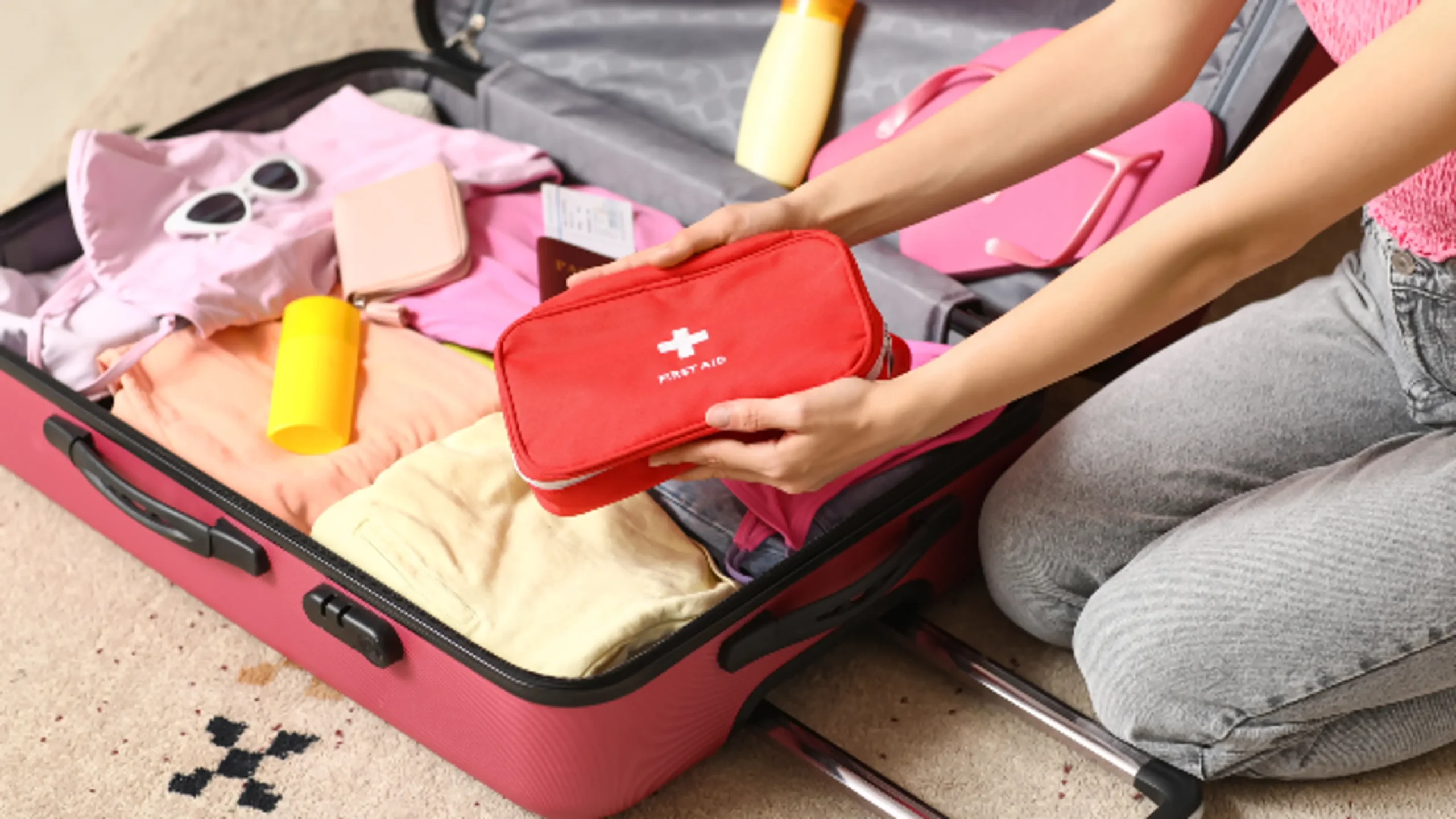
An international trip is easier to enjoy when the essentials are in order. Alongside your passport, visa and travel itinerary, include important health records such as prescriptions, vaccination certificates, and medical summaries. Having them readily available can make it easier to access healthcare if the need arises.
Which Health Documents Should You Always Carry?
Before you leave, take a few minutes to put all these documents together:
- A doctor’s letter and your prescriptions: If you take regular medication or are receiving treatment, ask your doctor for a signed letter explaining your condition and prescribed medicines. Keep the medicines in their original packaging with the pharmacy label intact.
- Vaccination certificates: Check whether your destination requires proof of any vaccinations before you travel. If it does, carry the original certificate and keep a digital copy as a backup.
- Allergy and medical information: If you have severe allergies or an existing medical condition, carry a card with your blood group, allergy details, and any important medical information that healthcare professionals should know.
- Emergency contacts: Note down the contact details of a family member, your regular doctor, and the nearest Indian embassy or consulate. A printed copy can be useful even if you have the information saved on your phone.
Why Travel Insurance Documents Are Important, Too?
Along with your medical records, keep your travel insurance documents somewhere you can access them quickly.
Healthcare costs can vary significantly from one country to another, and every healthcare system works differently. Keeping your travel health insurance policy copy and emergency assistance details together with your medical records means you have everything in one place if you need support.
Depending on the policy terms and conditions, travel health insurance may provide benefits for emergency medical expenses or necessary evacuation. As benefits differ between policies, always refer to the policy wording for complete information.
Saving digital copies of your policy certificate and emergency assistance contact details on your phone and secure cloud storage can also be helpful while travelling.
How Can You Keep Your Health Documents Safe During Your Trip?
A little organisation before you leave can prevent unnecessary stress later:
| Storage Method | Recommended Practice |
| Waterproof folder | Keep original medical documents, vaccination certificates, and travel insurance papers in your cabin baggage |
| Digital backup | Store clear scanned copies in secure cloud storage and download offline copies to your phone before you travel |
| Emergency information card | Keep a one-page summary of your medical information inside your wallet or passport holder for quick access |
What Should You Check Before Leaving Home?
Set aside a few minutes to review your documents before your departure:
- Check that your doctor’s letter, prescriptions, and vaccination certificates remain valid throughout your trip.
- If you are travelling to a country where English is not widely spoken, consider carrying certified translations of important medical documents.
- Review the health documentation requirements for your destination and any transit countries, as these requirements may change.
- Make sure the personal details on your passport, prescriptions, and medical documents are accurate and consistent.
Conclusion
Travelling abroad often means navigating different healthcare systems and entry requirements. Reviewing the latest guidance for your destination before departure helps you prepare with the documents you are most likely to need. Along with your passport, visa, and prescriptions, keep your travel insurance documents organised and easy to access. Having the right information readily available can make it easier to communicate important medical details if you need healthcare during your trip.
